
The evolution of casinos a journey through time and chance
The Origins of Gambling
The history of casinos can be traced back to ancient civilizations where games of chance were played in various forms. From the dice games of Mesopotamia to the betting activities in Ancient Rome, the concept of gambling has always intrigued humanity. These early forms of gambling often intertwined with religious practices and rituals, reflecting the belief that chance was controlled by divine forces. If you’re looking for a fun way to explore these themes, consider diving into the Chicken Road 2 Game, which offers an engaging gaming experience that echoes the dynamics of chance.

As societies evolved, so did the structures around gambling. By the Middle Ages, establishments specifically designed for gaming began to emerge in Europe. The first official casino, the Casino di Venezia, opened its doors in 1638, marking a significant milestone in the evolution of gambling institutions. This shift towards formalized casinos brought about a new era where chance became a commercial venture.
The Rise of Modern Casinos
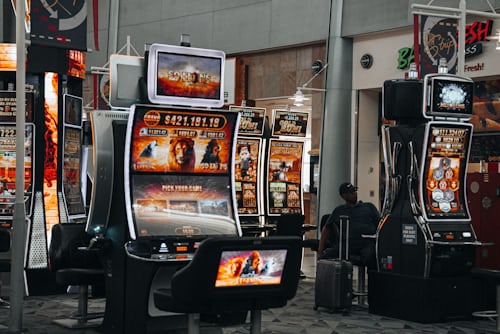
The 19th century saw a booming interest in gambling, leading to the establishment of casinos in cities like Monte Carlo and Las Vegas. These venues introduced a level of luxury and glamour that attracted not only gamblers but also tourists seeking entertainment. The concept of the modern casino was born, featuring a wide array of games such as poker, roulette, and slot machines, each offering players a chance to win big. The Chicken Road 2 Game also incorporates some of these elements, allowing players to engage in thrilling challenges and rewards.
Technological advancements played a crucial role during this time. The introduction of electric lights, sound systems, and sophisticated game designs transformed the gambling experience. Casinos became vibrant, lively environments where the thrill of chance was accentuated by cutting-edge technology, creating an atmosphere unlike any other.
The Role of Legislation and Regulation
Throughout the evolution of casinos, legislation has significantly shaped their development. In the early 20th century, many countries imposed restrictions on gambling due to its association with crime and social issues. However, the gradual relaxation of these laws led to the establishment of licensed casinos, promoting safer and more regulated environments for players.
As casinos proliferated, so did the need for responsible gambling measures. Regulatory bodies were created to ensure fair play and protect players from exploitation. These regulations include monitoring games, ensuring that odds are transparent, and providing support for those who may develop gambling problems, illustrating the balance between chance and responsibility.
The Digital Revolution of Gambling
The late 20th and early 21st centuries ushered in the digital revolution, transforming the gambling landscape once again. Online casinos emerged, allowing players to engage in their favorite games from the comfort of their homes. This shift not only increased accessibility but also introduced new forms of gaming, such as live dealer games, which replicate the experience of traditional casinos.
The rise of mobile gaming further pushed the boundaries of how people engage with chance. Gamers can now participate in various gambling activities anytime and anywhere, contributing to the globalization of the casino experience. This evolution has also sparked debates around regulation and fair play in the online environment, prompting the need for updated laws to govern digital gambling.
Exploring the Future of Casinos
The future of casinos appears to be dynamic and ever-evolving. With advancements in technology such as virtual reality and artificial intelligence, the gaming experience is set to become even more immersive. Casinos might incorporate VR environments that allow players to experience gambling in entirely new ways, blurring the lines between virtual and physical gaming.
Additionally, the integration of cryptocurrencies and blockchain technology is changing the way transactions are conducted in casinos. These innovations promise to enhance security and transparency, appealing to a new generation of players who value privacy and efficiency. As casinos continue to adapt to societal changes and technological advancements, their journey through time and chance remains both intriguing and unpredictable.